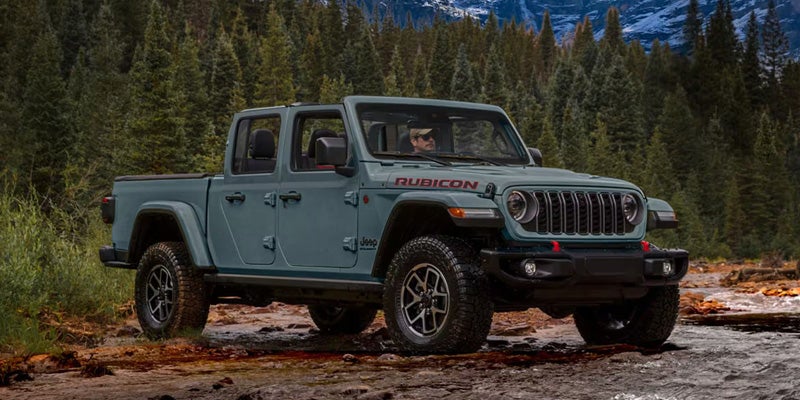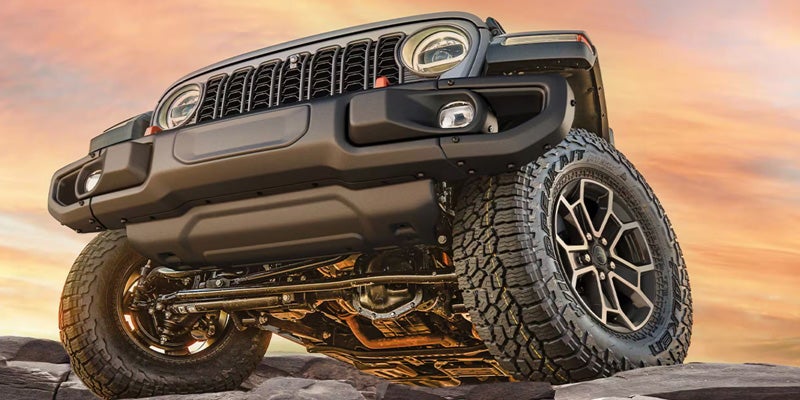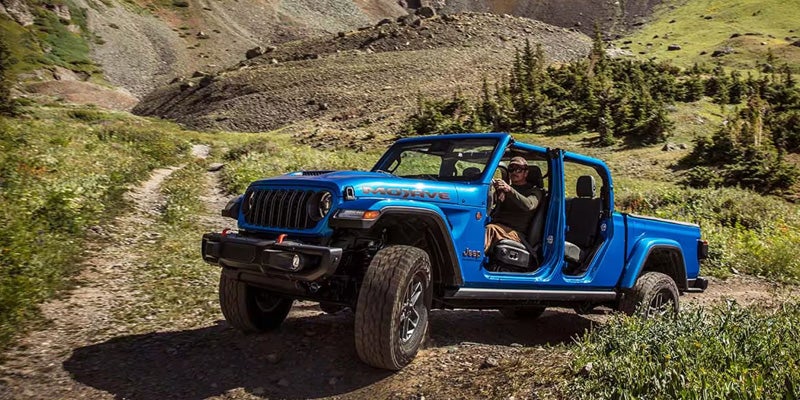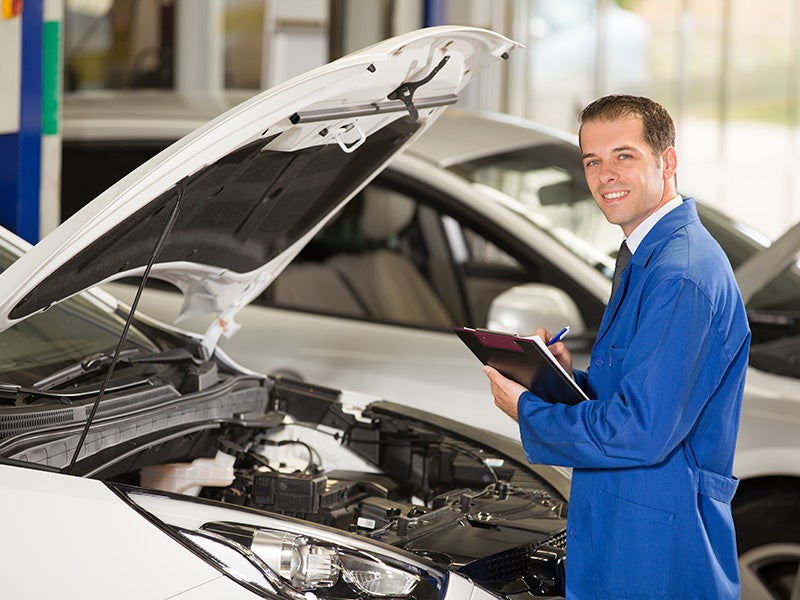


A Jeep® Wrangler can crawl over rocks. A Gladiator can haul equipment through a muddy job site. A Grand Cherokee can carry the whole family across several states without complaint. But none of them can negotiate with a failing water pump. Machinery has limits, and the engine usually provides a few warnings before things get expensive. For Jeep® owners around Redford Township, MI, knowing what to listen for can mean the difference between a routine service appointment and an unexpected tow truck. The Check Engine Light Isn't Decorative That little amber engine symbol has a job, and it's not to improve the dashboard's appearance. It can indicate something relatively minor, like a loose fuel cap, or a more serious problem involving ignition, emissions, or fuel delivery. A steady light calls for a diagnostic inspection. A flashing check engine light can indicate an active misfire capable of damaging the catalytic converter. If it starts flashing, reduce power and stop driving as soon as it's safe. Knocking, Ticking, and Other Expensive-Sounding Conversations Engines make noise. That's what thousands of moving components tend to do. But a new metallic knock, persistent ticking, or grinding sound deserves attention. Knocking can indicate lubrication problems or worn internal bearings. Ticking might involve the valvetrain or insufficient oil. Some noises are harmless, but guessing isn't a repair strategy. If a sound becomes louder with engine speed or appears alongside an oil-pressure warning, shut the engine off safely and arrange an inspection. When the Engine Stops Pulling Its Weight You know how your Jeep normally accelerates. If it suddenly struggles uphill, hesitates when you press the accelerator, or shakes at idle, something has changed. Worn spark plugs, restricted airflow, fuel-delivery problems, and ignition faults are possible causes. An engine running unevenly can also consume more fuel and place additional stress on other components. Catching the problem early is generally cheaper than discovering how many parts a persistent misfire can damage. Smoke and Smells That Deserve Attention Blue exhaust smoke can indicate engine oil entering the combustion chamber. Persistent thick white smoke may suggest coolant entering the cylinders, particularly when accompanied by coolant loss. A sweet smell can indicate leaking coolant, while burning oil often produces a sharper odor. Smoke from the engine compartment calls for particular caution. Pull over safely, shut down the engine, and avoid opening the hood if you suspect a fire. Overheating Is Your Signal to Stop An overheating engine isn't asking for another ten miles to the nearest exit. If the temperature gauge reaches the danger zone or an overheating warning appears, find a safe place to stop and switch off the engine. Low coolant, thermostat problems, radiator issues, or a failing water pump could be responsible. Never remove a hot radiator or coolant reservoir cap. Pressurized coolant can cause severe burns. Fluid Leaks Leave Evidence Fresh puddles beneath your Jeep deserve investigation. Dark oil may indicate an engine leak, while colored coolant can point toward the cooling system. Transmission and brake fluids have their own characteristics, although color alone cannot identify every leak. Check fluid levels according to your owner's manual and have unexplained losses inspected. If brake fluid is leaking or braking performance changes, don't drive the vehicle. Keep Your Jeep Working at Snethkamp CDJR Redford Regular oil changes, filter replacements, fluid checks, and scheduled inspections help prevent minor problems from becoming major repairs. If your Jeep develops unusual noises, warning lights, leaks, or performance changes, visit Snethkamp CDJR Redford in Redford Township, MI. Schedule a service appointment with the dealership's technicians and give your Wrangler, Gladiator, or Grand Cherokee the attention it needs before a small problem becomes a very large bill.
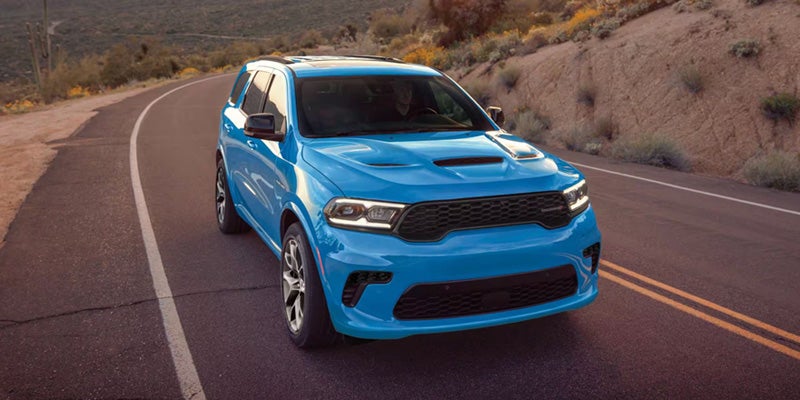
Dodge Performance: The Horsepower Wars Are Far from Over
The automotive industry has spent years discussing efficiency, electrification, and the eventual disappearance of the internal combustion engine. Dodge, meanwhile, has been busy developing a 710-hp family SUV. It's a wonderfully improbable engineering decision, and one that explains the brand's enduring appeal. For drivers around Redford Township, MI, the latest Dodge lineup proves that performance can take several forms, from turbocharged muscle cars to electric acceleration and three-row V8 machinery. The 2026 Charger: Six Cylinders, Serious Ambitions The 2026 Dodge Charger replaces familiar V8 muscle-car expectations with a 3.0L twin-turbocharged SIXPACK inline-6. The R/T produces 420 hp and 468 lbs. ft. of torque, reaching 60 mph in an estimated 4.6 seconds. The Scat Pack increases output to 550 hp and 531 lbs. ft. of torque, cutting that sprint to a targeted 3.9 seconds. Both use an 8-speed automatic transmission and standard AWD, while the Scat Pack offers selectable RWD. Available in 2-door and 4-door configurations, the Charger combines traditional proportions with a distinctly modern powertrain. Electricity Joins the Muscle-Car Argument The Charger Daytona Scat Pack takes a different route to enormous acceleration. Its dual-motor AWD system delivers up to 670 hp and 627 lbs. ft. of torque, achieving an estimated 0–60 mph time of 3.3 seconds with PowerShot activated. Launch Control, Line Lock, and Race Prep provide specialized performance settings. Electric motors deliver torque with remarkable immediacy, eliminating the familiar buildup of engine revs. The resulting acceleration is less a traditional muscle-car experience than a demonstration of what happens when substantial electrical power meets four driven wheels. The Durango: Family Transportation With Questionable Restraint The 2026 Dodge Durango accommodates up to 7 passengers, yet its engine lineup suggests that transporting children was only part of the engineering brief. The available 3.6L Pentastar® V6 produces 295 hp, while the 5.7L HEMI® V8 develops 360 hp. The R/T 392's 6.4L HEMI® delivers 475 hp and reaches 60 mph in approximately 4.4 seconds. Then there's the SRT® Hellcat, whose supercharged 6.2L HEMI® produces 710 hp and 645 lbs. ft. of torque. Dodge estimates 3.5 seconds to 60 mph. Properly equipped V8 models can also tow up to 8,700 lbs., giving this unusually athletic SUV considerable working ability. The Super Bee Has Another Sting Coming The upcoming 2027 Charger Super Bee Launch Edition pushes the gasoline-powered SIXPACK concept further. Its high-output 3.0L twin-turbocharged engine produces 600 hp, with an estimated 3.6-second sprint to 60 mph. Developed with drag-strip performance in mind, the Super Bee revives a historic Dodge name for a new generation of specialized machinery. Performance Doesn't End at the Factory Dodge Garage connects enthusiasts with motorsports coverage, vehicle news, and community events. Direct Connection offers performance components developed and validated by SRT® Engineering, with warranty provisions dependent on individual parts and installation requirements. Regular maintenance and professional detailing also help protect these vehicles against Michigan's demanding seasonal conditions. Discover Dodge at Snethkamp CDJR Redford Dodge continues to pursue performance through turbocharging, electrification, and gloriously excessive V8 power. Visit Snethkamp CDJR Redford in Redford Township, MI, to explore available Charger and Durango models. Then schedule a test drive to discover which interpretation of Dodge performance suits your driving ambitions.