

The Check Engine Light Isn't Decorative
That little amber engine symbol has a job, and it's not to improve the dashboard's appearance. It can indicate something relatively minor, like a loose fuel cap, or a more serious problem involving ignition, emissions, or fuel delivery. A steady light calls for a diagnostic inspection. A flashing check engine light can indicate an active misfire capable of damaging the catalytic converter. If it starts flashing, reduce power and stop driving as soon as it's safe.
Knocking, Ticking, and Other Expensive-Sounding Conversations
Engines make noise. That's what thousands of moving components tend to do. But a new metallic knock, persistent ticking, or grinding sound deserves attention. Knocking can indicate lubrication problems or worn internal bearings. Ticking might involve the valvetrain or insufficient oil. Some noises are harmless, but guessing isn't a repair strategy. If a sound becomes louder with engine speed or appears alongside an oil-pressure warning, shut the engine off safely and arrange an inspection.
When the Engine Stops Pulling Its Weight
You know how your Jeep normally accelerates. If it suddenly struggles uphill, hesitates when you press the accelerator, or shakes at idle, something has changed. Worn spark plugs, restricted airflow, fuel-delivery problems, and ignition faults are possible causes. An engine running unevenly can also consume more fuel and place additional stress on other components. Catching the problem early is generally cheaper than discovering how many parts a persistent misfire can damage.
Smoke and Smells That Deserve Attention
Blue exhaust smoke can indicate engine oil entering the combustion chamber. Persistent thick white smoke may suggest coolant entering the cylinders, particularly when accompanied by coolant loss. A sweet smell can indicate leaking coolant, while burning oil often produces a sharper odor. Smoke from the engine compartment calls for particular caution. Pull over safely, shut down the engine, and avoid opening the hood if you suspect a fire.
Overheating Is Your Signal to Stop
An overheating engine isn't asking for another ten miles to the nearest exit. If the temperature gauge reaches the danger zone or an overheating warning appears, find a safe place to stop and switch off the engine. Low coolant, thermostat problems, radiator issues, or a failing water pump could be responsible. Never remove a hot radiator or coolant reservoir cap. Pressurized coolant can cause severe burns.
Fluid Leaks Leave Evidence
Fresh puddles beneath your Jeep deserve investigation. Dark oil may indicate an engine leak, while colored coolant can point toward the cooling system. Transmission and brake fluids have their own characteristics, although color alone cannot identify every leak. Check fluid levels according to your owner's manual and have unexplained losses inspected. If brake fluid is leaking or braking performance changes, don't drive the vehicle.
Keep Your Jeep Working at Snethkamp CDJR Redford
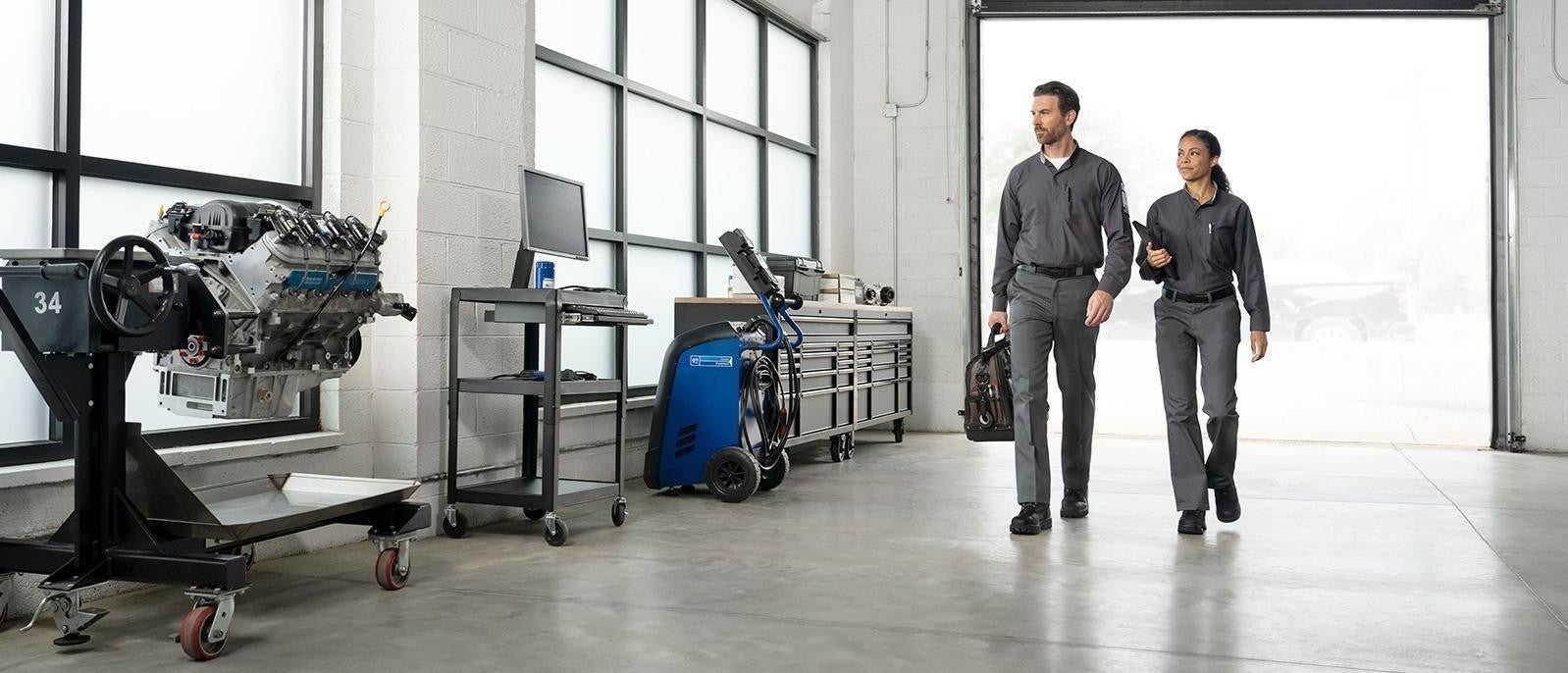
Regular oil changes, filter replacements, fluid checks, and scheduled inspections help prevent minor problems from becoming major repairs. If your Jeep develops unusual noises, warning lights, leaks, or performance changes, visit Snethkamp CDJR Redford in Redford Township, MI. Schedule a service appointment with the dealership's technicians and give your Wrangler, Gladiator, or Grand Cherokee the attention it needs before a small problem becomes a very large bill.