



Owning a Jeep® vehicle around Redford Township, MI, means dealing with more than mileage. Potholes, winter temperatures, road salt, towing, and off-road use can all affect how quickly components wear. The sensible approach to Jeep® service is to follow the maintenance requirements for your particular model while paying attention to what the vehicle is telling you between appointments.
Let the Vehicle Tell You When the Oil Is Due
Modern Jeep® vehicles monitor engine-oil life and provide an alert when an oil change is required. That’s considerably more useful than applying an arbitrary mileage interval to every engine in the lineup. Still, don’t ignore what happens between oil changes. Check the oil level periodically and pay attention to warning lights, leaks, unusual engine noises, or noticeable changes in oil consumption. The correct oil matters, too. Different Jeep® engines have different viscosity and specification requirements, so check the owner’s manual rather than grabbing whatever happens to be on the garage shelf. If the oil-change indicator appears, scheduling a Jeep® oil change service is the easy part.
Your Tires Have a Rough Job in Michigan
Tire rotation helps even out tread wear, and it deserves particular attention on Jeep® 4x4 models. Proper tire pressure also affects braking, handling, fuel economy, and tire life. A rotation is a good opportunity to inspect rather than simply move the tires around. Check tread depth, inflation, sidewalls, and wear patterns. Redford Township roads add another consideration: potholes. Hit one hard enough and alignment can be affected even if the tire looks perfectly healthy afterward. Uneven edge wear or feathering can point toward an alignment or suspension problem that deserves inspection. This is also why tire service makes a natural companion to routine oil changes instead of something to think about only when the tread is nearly gone.
Brakes Don’t Follow a Convenient Countdown
Brake pads and rotors don’t know what the odometer says. Their lifespan depends on traffic, driving habits, towing, terrain, vehicle weight, and plenty of other variables. Listen instead. Squealing, grinding, vibration while braking, increased stopping distance, or a noticeable change in pedal feel are all reasons to schedule a brake inspection. Routine maintenance should also account for coolant, brake fluid, transmission fluid where applicable, filters, belts, hoses, and windshield-washer fluid according to the requirements for your specific Jeep® vehicle. Then there’s the 12-volt battery. Michigan winters are an excellent way to discover a weak one. Slow cranking, inconsistent starting, or unusual electrical behavior are good reasons to have the battery and charging system tested before temperatures drop.
A 4x4 Has More Hardware to Maintain
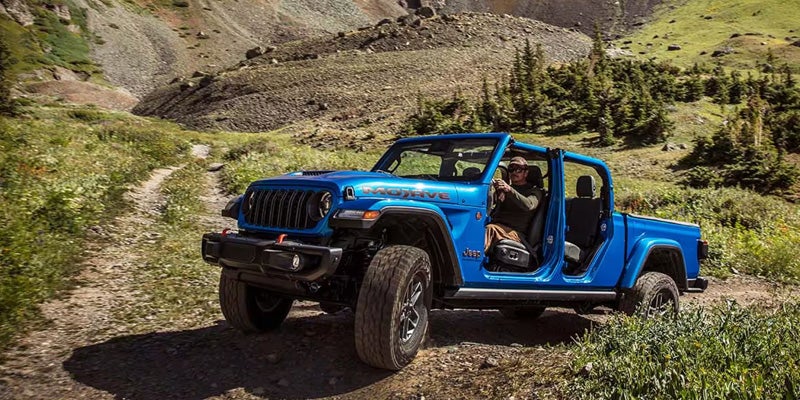
A Wrangler®, Gladiator®, Grand Cherokee®, or another Jeep® 4x4 has components beneath it doing jobs a conventional drivetrain doesn’t. Transfer cases, axles, differentials, driveshafts, and related hardware need inspection and service according to the model’s maintenance schedule. Vehicles regularly used for towing, mud, water crossings, or off-road driving may require additional attention. After a difficult trail outing, take a look underneath. Damage, trapped debris, and fluid leaks are considerably easier to deal with in the driveway or service bay than halfway through the next trip.
Stay Ahead of Your Next Jeep® Service
Good maintenance isn’t about replacing perfectly usable parts. It’s about finding wear before it becomes a larger repair. Drivers around Redford Township can use the Jeep® service department at Snethkamp CDJR for oil changes, tire rotations, brake inspections, battery testing, fluid checks, and scheduled maintenance. Review your vehicle’s service history, check upcoming maintenance requirements, and schedule a service appointment online before a small warning becomes a much bigger job.
Jeep® Service Tips: Keep the Simple Stuff from Becoming Expensive