



Snethkamp Chrysler Dodge Jeep Ram

Blog / Redford Service Department

Blog

All Redford Service Department Snethkamp CDJR Redford Jeep Dealership New Jeep Vehicles Redford RAM Dealership Redford Dodge Dealership New RAM Trucks New Dodge Cars Redford Chrysler Dealership Redford MI 2026 Model Year Performance Technology Safety Features Driver Assistance New Chrysler Vehicles 2025 Model Year Engine Snethkamp CDJR Redford service Snethkamp CDJR Service Used Cars CDJR Dealer 2026 Ram 1500 SUV 2026 Chrysler Pacifica 2026 Dodge Charger 2026 Jeep Gladiator 2026 Jeep Wrangler 2026 Ram 3500 Grand Wagoneer 2025 Chrysler Voyager 2025 Chrysler Voyager Lineup 2025 Dodge Durango 2026 Jeep Inventory 2026 Jeep Wagoneer 2026 Jeep Wrangler at Snethkamp CDJR Redford 2026 RAM 3500 at Snethkamp CDJR Redford 2026 RAM Inventory Brake service CPO Dodge Service in MI Durango Exterior Design Interior Technology Safety and Driver Assistance System
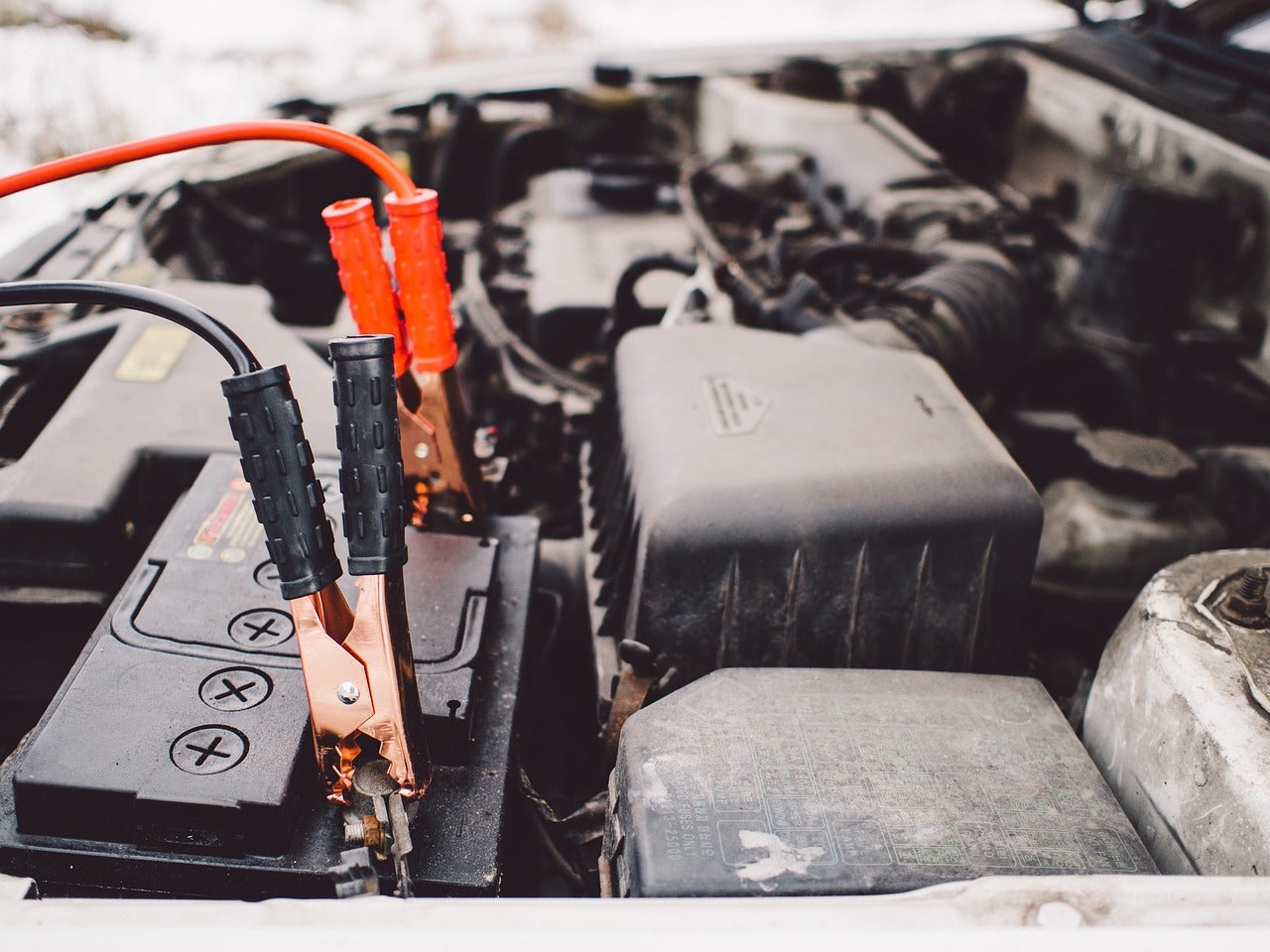
Jumper cables attached to a car battery

Getting a New Car Battery for Your CDJR Vehicle

Image via Pixabay. Nothing is more inconvenient than your car battery dying on you. The good news is that this doesn't happen randomly. There are multiple signs your vehicle will give you to say your battery is no longer reliable. Watch out for these signs and get a new car battery at your CDJR dealer. more Signs It's Time to Get a New Car Battery From Your CDJR Dealer Engine Turns Over Slowly If your Chrysler, Dodge, Jeep, or RAM cranks multiple times or sounds reluctant to start, a dying battery could be the culprit. As a battery ages, it deteriorates until it can no longer provide enough power to start the engine. If you don't replace the battery, it may die and leave you stranded. Headlights Dim When Idling When your battery starts to die, your headlights will dim when idling and become brighter once you accelerate. This is because the battery is responsible for powering electrical components when idling. If it's not holding enough charge, it won't be able to power the lights, so your headlights will dim. Your Battery Looks Corroded If you suspect your CDJR vehicle has battery issues, pop the hood and inspect the top of the battery. If you notice a powdery white or blue residue around the terminals, your battery is corroded. You may also notice cracks or bulges in the battery casing. All these are signs that the battery is deteriorating and should be replaced immediately. Electrical Components Are Failing Modern CDJR vehicles have various in-cabin electrical systems like heated seats, power windows and locks, infotainment systems, power seats, and more. These components use power from the battery when the engine is off or idling. If you notice sluggish operation in these systems when the car is in idle, your battery could be failing. It is no longer able to hold enough charge to power the electrical components. Your Battery Struggles in Cold Weather Car batteries don't generally perform well in cold weather because the chemical reactions start to slow down. However, a healthy battery should still be able to crank the engine properly when it's cold. If you are forced to jump-start your car frequently during the cold season, your battery is dying. Our technicians can test it and let you know if it's time to get a new one. You Have an Old Car Battery Vehicle batteries usually last around four to five years, but the lifespan depends on factors like climate, driving habits, and maintenance. Even if you are lucky to get more life out of yours, it's a good idea to start anticipating battery replacement as soon as you hit the four-year mark. Once you start to notice minor electrical issues, replace the battery before it's too late. Batteries don't last forever, so stay alert to these warning signs. Contact Snethkamp Chrysler Dodge Jeep RAM in Redford, MI to order a new battery for your vehicle.
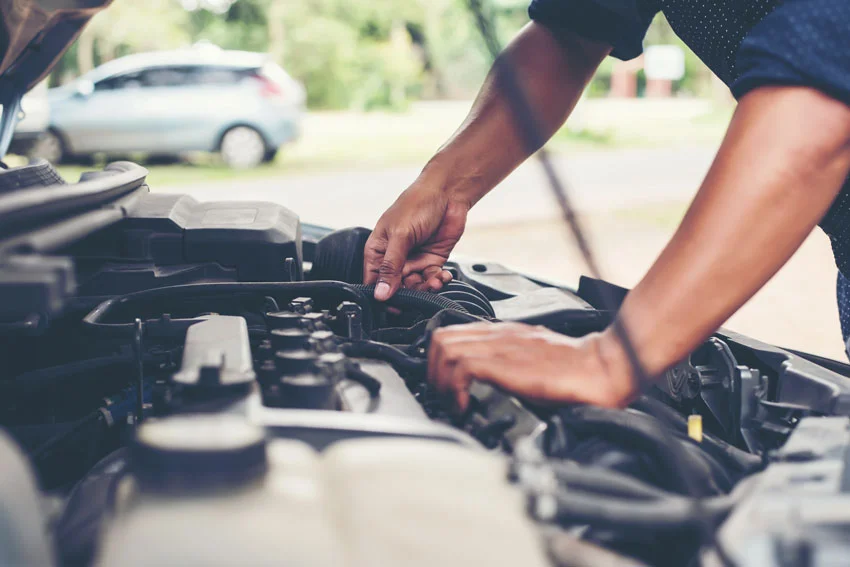
A service image of an auto technician standing over the exposed hood of a vehicle

How Often Does Your CDJR Vehicle Need an Oil Change?

Image via Snethkamp CDJR. Owning a Chrysler, Dodge, Jeep, or Ram (CDJR) vehicle means you've chosen a reliable and capable machine, but to keep it performing at its best, you need to get to know your machine and its needs: and that includes knowing how often to change its oil. While getting an oil change at your CDJR dealership might seem like a minor detail, it's one of the most important investments you can make in your vehicle's longevity. There's no single answer that fits every model and every driver. Here's why: more Advances in Technology Modern CDJR vehicles are engineered with high-quality components and often use advanced synthetic oils. These factors contribute to longer intervals between recommended oil changes, often in the range of 7,500 to 10,000 miles. But if you have an older vehicle, say pre-2006, or if you only use conventional oil and not synthetic, you should ask us about whether 3,000 to 5,000 miles is a better frequency for you. Your Owner's Manual The most reliable authority on oil frequency for your specific CDJR is the owner's manual. It will outline the manufacturer's tailored recommendations based on your vehicle's model year and engine type. Driving Habits Matter If you frequently subject your CDJR to "severe use" conditions like towing, off-roading, driving around in extreme temperatures, or going mainly on short trips with a lot of stop/start driving and idling, you may need oil changes more often than the manual suggests. Why Ignoring Oil Is a Bad Idea Motor oil is constantly lubricating, cooling, and cleaning vital components in your powerful engine, and, over time, heat and stress cause oil to degrade. Without proper lubrication, friction increases within the engine, causing premature wear on delicate parts. This shortens your engine's lifespan. Degraded oil also struggles to control engine temperatures, potentially leading to overheating and severe damage. An engine with excess internal friction also loses power and fuel efficiency, and you might start to notice that at the pump. Plus, skipping oil changes could lead to the need for major engine repairs or even replacement, which is a far more expensive proposition. The Benefits of Staying on Schedule When you get your oil swapped out regularly, you're extending the life expectancy of the heart of your vehicle and keeping your CDJR running smoothly and efficiently. You'll also save by preventing expensive and inconvenient repairs down the road while gaining confidence in your vehicle's reliability. Stick to a solid preventive maintenance plan that includes regularly changing out the oil, and you'll enjoy peak performance and long-term reliability from your CDJR vehicle: and countless worry-free miles along the way. To learn more or schedule service, talk to us at Snethkamp Chrysler Dodge Jeep Ram in Redford, MI today.

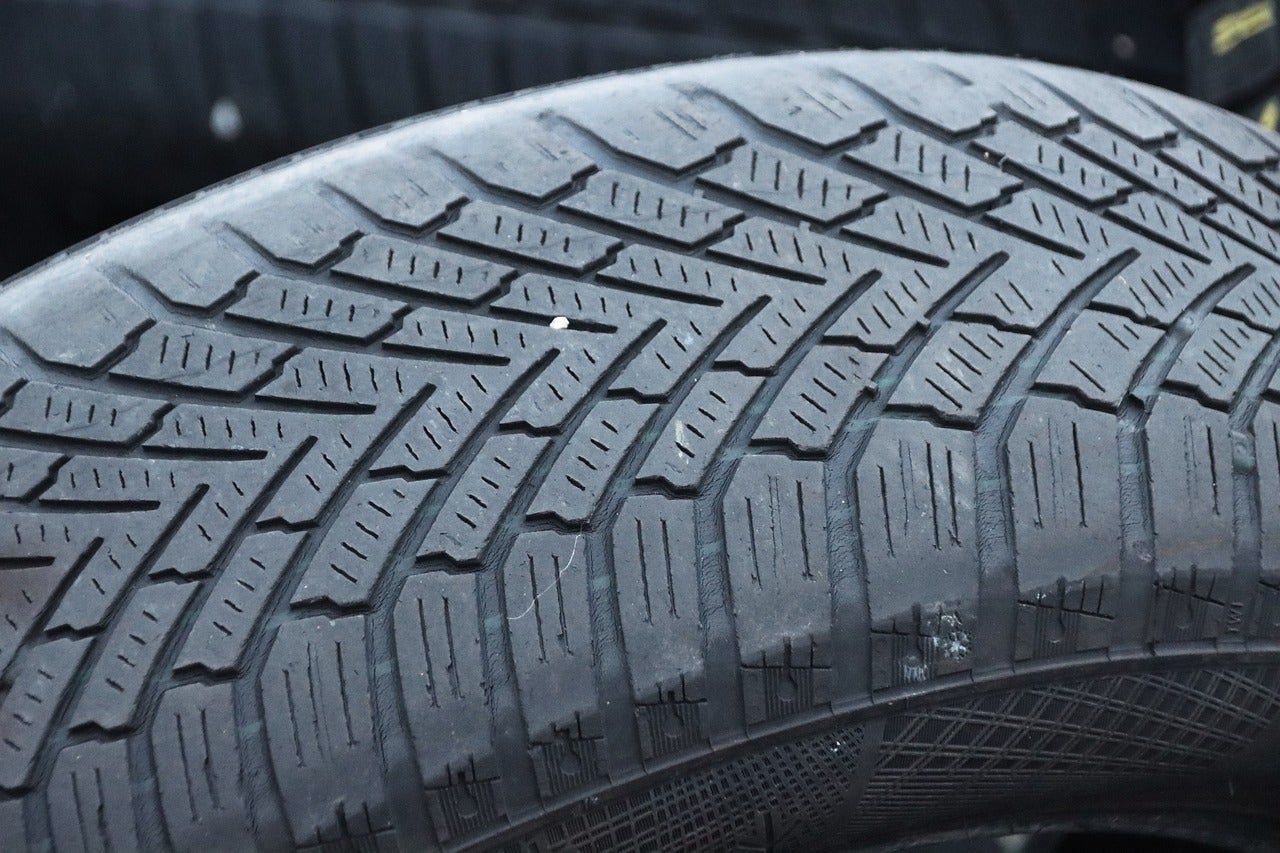
A close-up image of a tire with an emphasis on the texture of its tread

6 Signs Your Chrysler, Dodge, Jeep, or Ram Vehicle Needs New Tires

Image via Pixabay. Have you driven for more than 60,000 miles or five years on your current tires? It's probably time for a fresh set. You can get your new tires at your local CDJR dealer, and the dealer will be happy to help you maintain them so your new set lasts a long time. more 1. Too Little Tread Depth Tires need at least 1/16 of an inch of tread depth to be road-safe, though you should have at least double that if you drive on wet roads frequently. You should regularly measure your tread depth using a tread depth gauge so you'll know when it's time for a fresh set of tires. Alternatively, you can put a Lincoln-head penny upside down into the tread to check the depth. When Lincoln's whole profile is visible, it's time to replace your tires. 2. Too Much Vibration Even cars that deliver extremely smooth rides have a little vibration on each journey. If you've had your vehicle for a while, then you know how much vibration is normal for it. If you notice rides are getting more uncomfortable with more vibration, then you should visit the dealer. Worn-down tires can result in rides with more vibration, as can unbalanced and misaligned tires. 3. Cracked Sidewall Inspect your tires regularly for signs of damage. Specifically, look out for grooves and cracks visible on the sidewall. If you spot any grooves or cracks, then it could be a sign that your tire is leaking or that it's going to blow out soon. Visit the dealer ASAP, as driving on damaged tires is a safety hazard. 4. Blistered Sidewall Cracks aren't the only issue you should look out for when inspecting your tires. Blisters and bulges can also appear, creating a weak spot on your tire. These can blow out easily, and it could happen at any time. If the tire blows out, then you'll be in serious danger, so never ignore a bulge or blister on the sidewall. 5. Visible Tread Wear Indicator Modern tires have tread wear indicators that let you know when your tread has worn down too much. The indicators are flat rubber bars that are easily visible, and they run perpendicular to the tread. If at least two of these bars become visible, then you'll need to visit the dealer for a fresh set of tires. 6. Old Tires Most tires are at their best for 60,000 miles or around 3 to 5 years. However, if you don't drive very much, then it may take you significantly longer to drive 60,000 miles. Never leave tires on your car for more than 10 years, even if you haven't driven 60,000 miles yet. Have you noticed any of the signs we talked about above? Come and get your tires replaced at Snethkamp Chrysler Dodge Jeep Ran in Redford, MI.

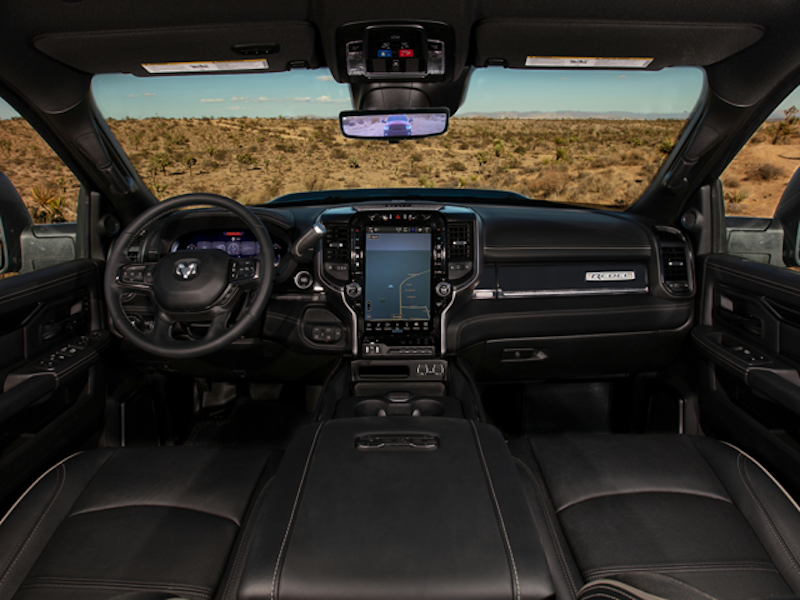
The interior of a 2024 RAM 2500 looking out over a desert

The Importance of Regular Maintenance for Your 2024 Ram Truck

Image via Snethkamp CDJR. ​​​​​​​​​​​​​​​​​​​​​​​​​​​​​​​​Your RAM is sturdy, tough, and built to last. It's also packed full of high-tech equipment to make driving safer, easier, and more enjoyable. All that said, keeping your RAM working at its best requires regular services. As your RAM dealer, we want to tell you more about some of the types of RAM service we can provide for your vehicle. more Brake Service The brakes on your RAM are designed to bring your wheels to a stop in seconds. Over time, parts can wear out or become damaged. In addition, components like the brake fluid and brake pads need to be regularly replaced so your brakes will continue to work effectively. In a brake service, our highly trained technicians thoroughly check your braking system. We check the quality of the brake fluid and then replace it to ensure that it always generates the necessary hydraulic power. The calipers, rotors, and all other components are also tested to confirm they're working correctly. Getting a brake service with us gives you peace of mind that your brakes are in perfect working condition. Oil Changes Oil is vital for your engine, as it lubricates all the components. This lubrication protects moving components against friction damage and allows them to move smoothly. As the oil passes through your engine, it has a cooling effect and helps to reduce the overall engine temperature. In addition, additives in modern oils protect against rust and break down engine deposits. Engine oil is gradually consumed as it circulates through your engine, and it also ages. Older oil is less effective at preventing friction damage or engine blockages. During an oil change, we test the oil and then drain it. If the oil is in poor condition, traces of it may remain behind. We will fix this by flushing your engine to remove the old oil. We then check the sump seal is in good condition, and we refill your oil. Tire Rotations A regular tire rotation schedule saves you time and money. Your tires slowly were down due to friction with the surface, and they also suffer wear and tear from climatic conditions and balance or alignment issues. In addition, a tire suffers increased wear on certain sections depending on its position on your car. Repeated damage to the same section will eventually cause a leak or blowout. In a tire rotation, we remove your tires and shift them to different positions. The exact positions they move to are determined by your vehicle's drivetrain. Moving your tires spreads the wear equally, so your tires will wear down at a relatively even rate. Reducing wear damage prevents early tire replacement, which saves you money. We have many other types of services available. To find out more, call our service center today at Snethkamp CDJR in Redford, MI.

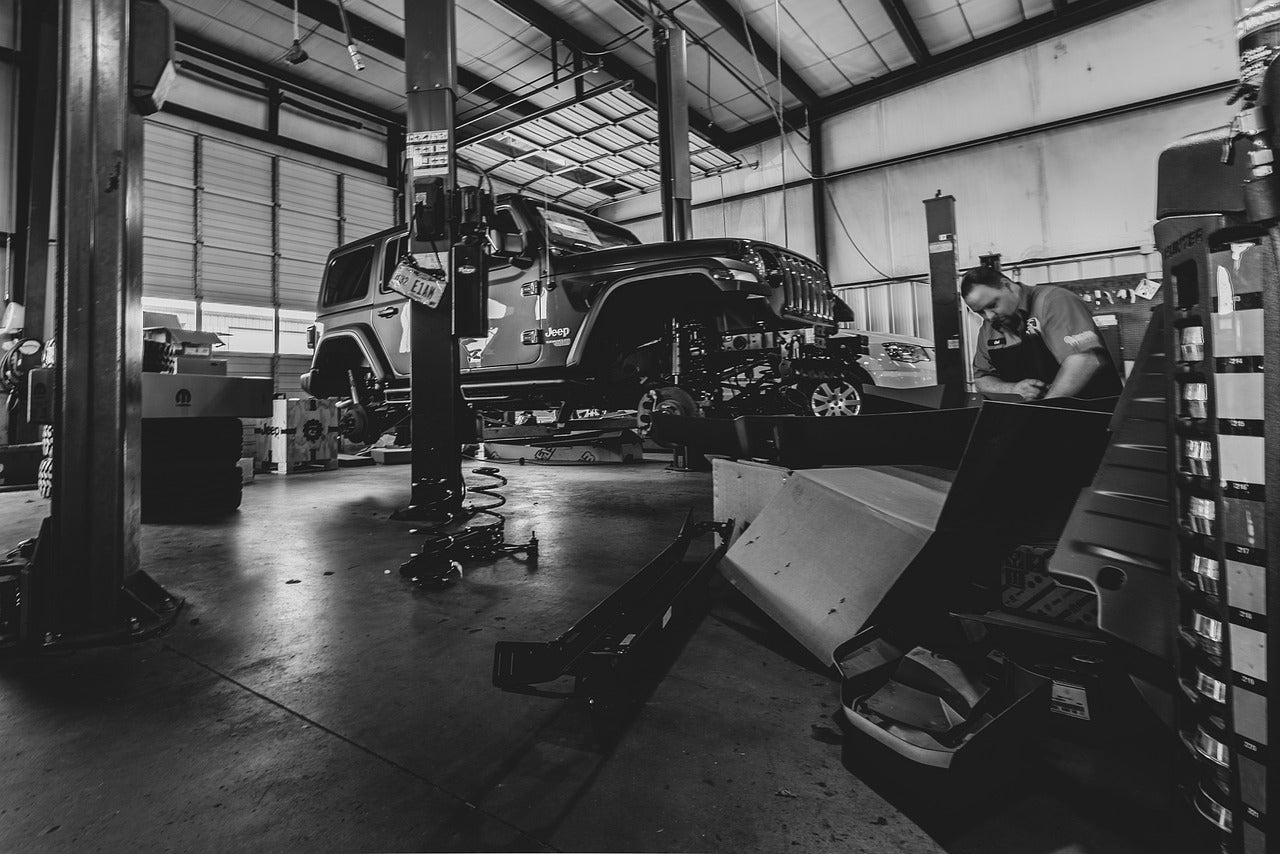
A Jeep inside a garage being worked on by a technician

Maximizing Your Vehicle's Performance: Services for 2024 CDJR Models

Image via Pixabay. A car that runs well is a joy to drive, and if you get regular CDJR service, then your Chrysler, Dodge, Jeep, or RAM vehicle should stay running well for many years to come. Your local CDJR dealer can provide you with an array of services that you should get regularly to keep your car in top condition. more General Repair If you're having problems with your car, then getting them fixed early can stop them from getting worse and being harder to fix. If you feel slightly less resistance than normal when you step on the brake pedal, then you should visit the dealer before the pedal starts feeling spongy to step on. If it takes a few extra seconds for your engine to turn over, then come and get a repair before the car won't start altogether. Fluid Level Check and Correction Having the right amount of every fluid in your car makes sure it stays running smoothly. If you're not sure how little fluid in your car is too little, then you can visit the dealer and have the technicians check your levels for you. If any of your fluids need to be topped up, then the technicians will do it for you. Some fluids in your car need to be changed out regularly, too. For example, your oil should be changed after driving around 5,000 miles, though this can vary. Transmission fluid, meanwhile, should be flushed every 30,000 miles. Engine Diagnostic Sometimes your car will start acting strangely, but the problem with it won't be obvious. The dealer can run an engine diagnostic to determine what the problem is. Once the technicians understand what's wrong, they can fix the problem with ease. Filter Replacement Your car has various filters that need to be replaced every so often. For example, your oil filter will need to be changed during at least one of your oil changes every year. Your car's air filters will also need to be changed a couple of times a year. Your dealer will do this for you during routine service. Tune-Up Your car will undergo a tune-up when you visit the dealer. Filter replacements and fluid level corrections are part of that, but there are other things that technicians will do to make sure your car stays running smoothly. For example, they'll replace worn hoses and belts. Your spark plugs will be inspected and cleaned. There are lots of small jobs like this that need to be done periodically that your dealer will take care of. Drive right to Snethkamp Chrysler Dodge Jeep RAM if you need any of the services above. Talk to our technicians about creating a service schedule for your new car so you can stay on top of all your routine maintenance.

Contact Us

Fill out this form below and we'll contact you shortly
*Required Fields